What happens between pasting a link and saving a file
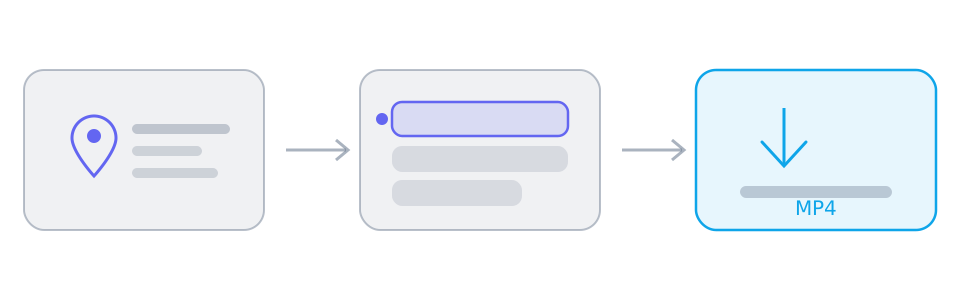
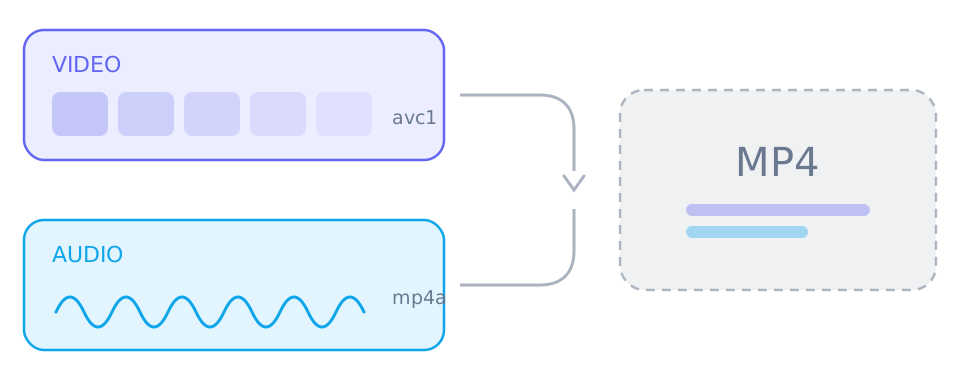
Your browser sends the address to a Cloudflare Worker, which asks a set of parsing services for the media streams behind that page. What comes back is a list of tracks — sometimes one finished file, sometimes picture and sound kept apart — each wrapped in an encrypted token. Only when you press save does the media move, and it moves from the source to your device.
- The link you paste is not stored, and the Worker holds no queue of downloads
- Every media address expires fifteen minutes after it is issued
- When a platform splits its streams, the merge happens in your browser rather than on a server
How to read these tutorials
Each article is dated, because a platform that changes how it serves video can make a page stale. The published date is when the article first went live and the review date is the last time the steps were checked against the tool, so you can tell how current the advice is before you follow it.
- Platform guides start with the link to copy, because that is the step people get wrong
- How-tos start with the symptom or the device that caused the problem
- Every article names what it will not do, so a limit is not mistaken for a bug
What these tutorials will not claim
SniffVid does not remove watermarks, does not decrypt DRM-protected streams, does not convert between formats and cannot reach anything behind a login. Where a tutorial says a step will not work on your device, that is a real limit of the browser rather than a temporary fault — and it is better to know before you start.
- Private, friends-only, members-only and region-locked videos cannot be resolved
- A quality that is missing from the list is missing at the source, not filtered by us
- On a phone you save a single track; merging two streams needs a desktop browser